Five patient, observant movies about ordinary routines, conversation and connection, with space for melancholy as well as calm.
Sometimes a movie is somewhere to spend time. A daily route, an exchange of letters or a walk through a city can provide enough movement when you are in the mood to notice rather than chase.
Quiet is not the same as emotionally light. Some selections involve grief, loneliness or uncertainty. This is a collection for patient attention, with the emotional differences made visible beside each title.
Routine and creative observation provide the organizing rhythm. Choose it when small variations in a day sound more inviting than a plot built around constant disruption.
The catch. Very little happens in conventional plot terms; the repetition is the point.
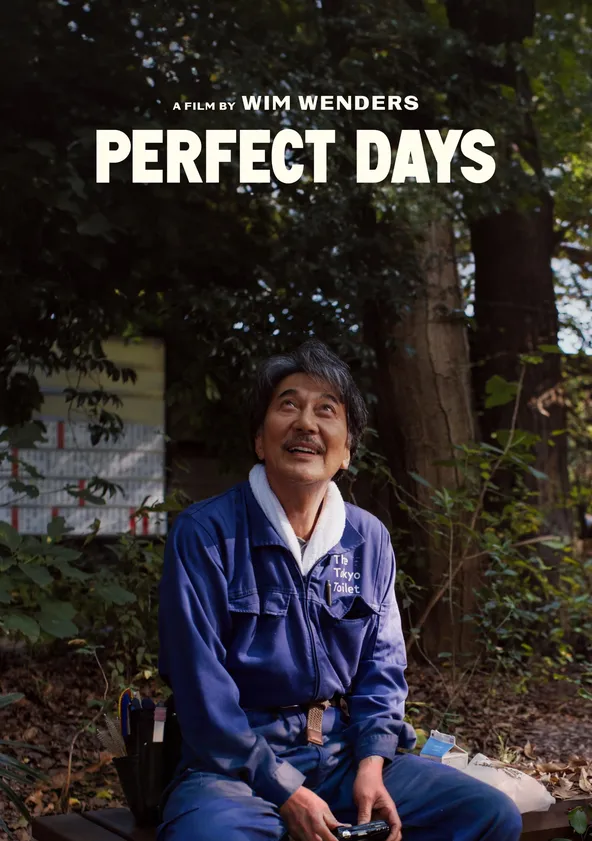
Daily work, music and the details of Tokyo give this a deliberate, recurring shape. Its restraint asks you to settle into observation rather than wait for a conventional dramatic escalation.
The catch. Its restrained, repetitive form can feel slow, and sadness remains beneath the calm.
A family situation opens a quiet space for memory and identity within a science-fiction world. It suits a reflective mood, with grief remaining part of the emotional texture.
The catch. The story is slow and fragmentary, with bereavement at its emotional center.
Food and letters make connection feel concrete while leaving room for pauses. The understated approach is well suited to an evening when you can give small gestures your attention.
The catch. Loneliness and an understated resolution may leave you wanting more certainty.
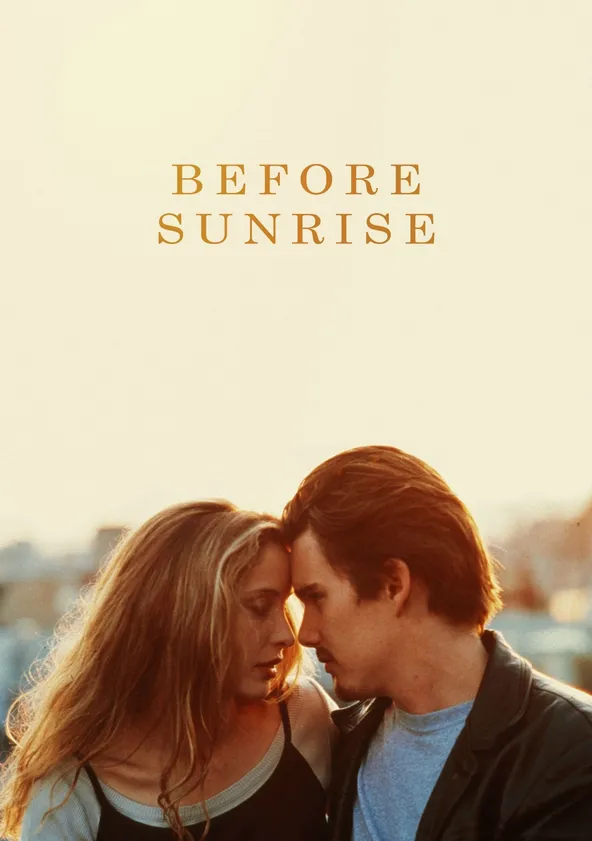
Conversation and wandering provide the movement through an evening in Vienna. Its unhurried attention to two people is the reason to choose it, rather than a complicated sequence of events.
The catch. It is almost entirely talk, with little conventional plot or action.